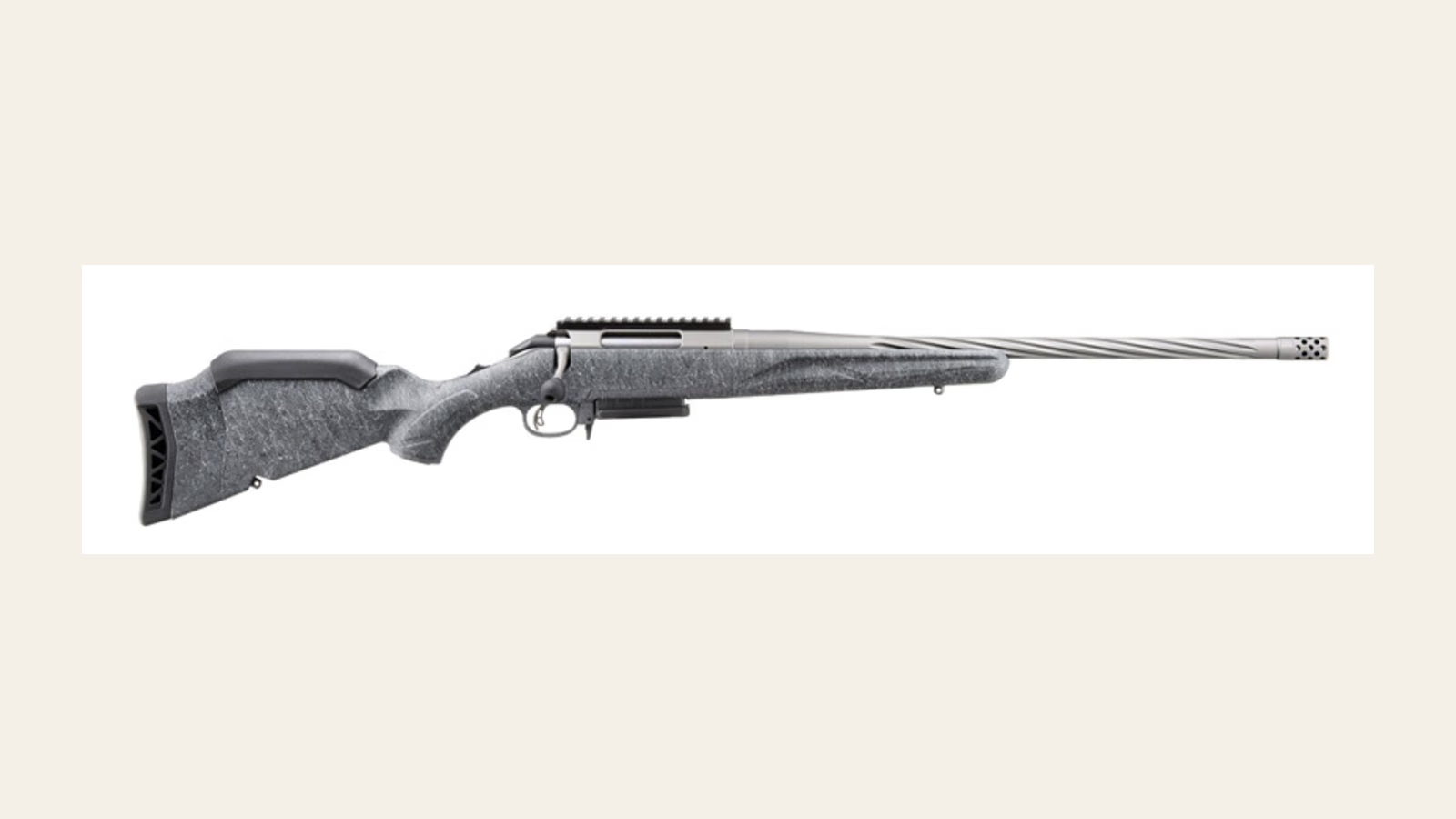
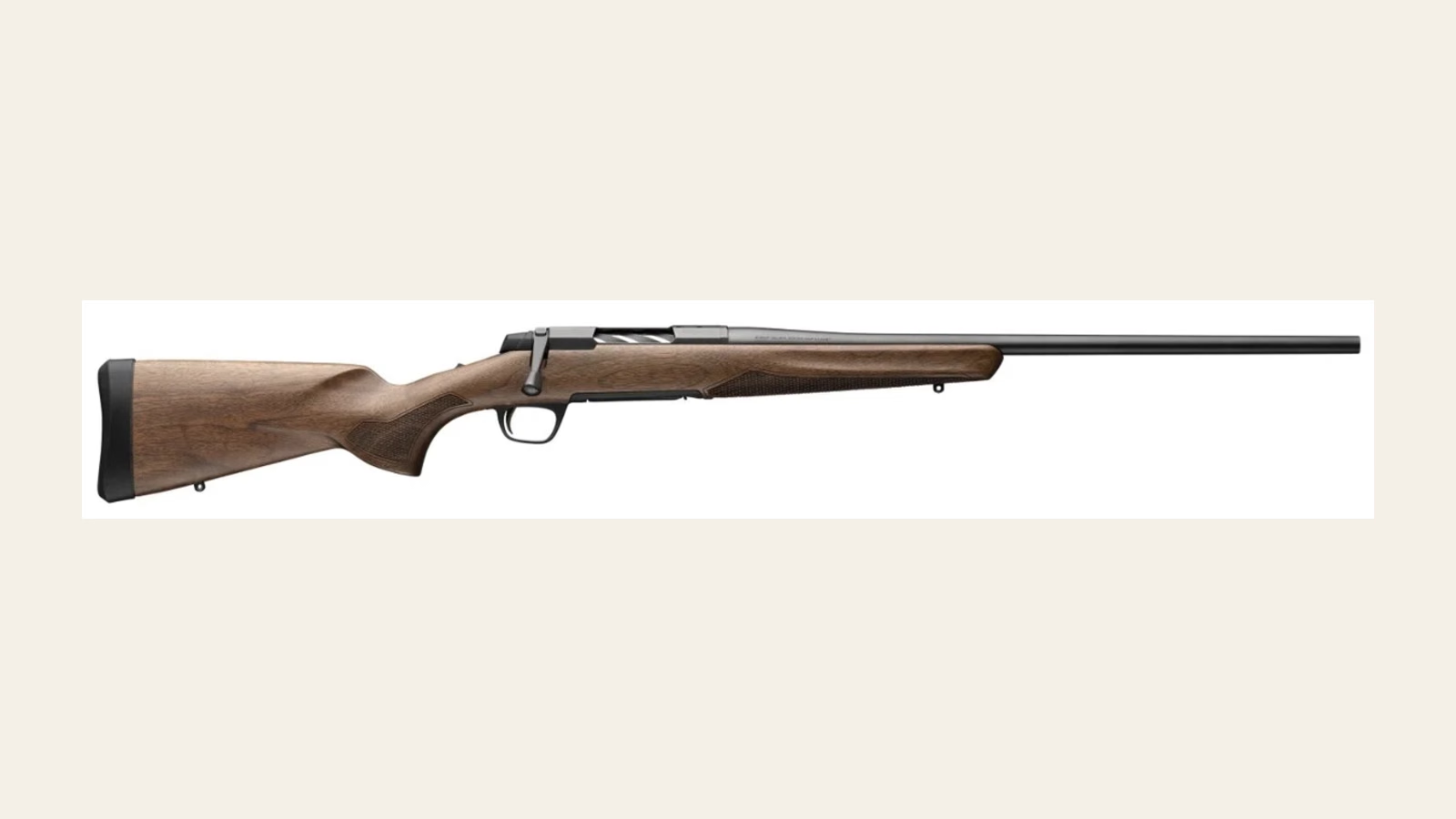
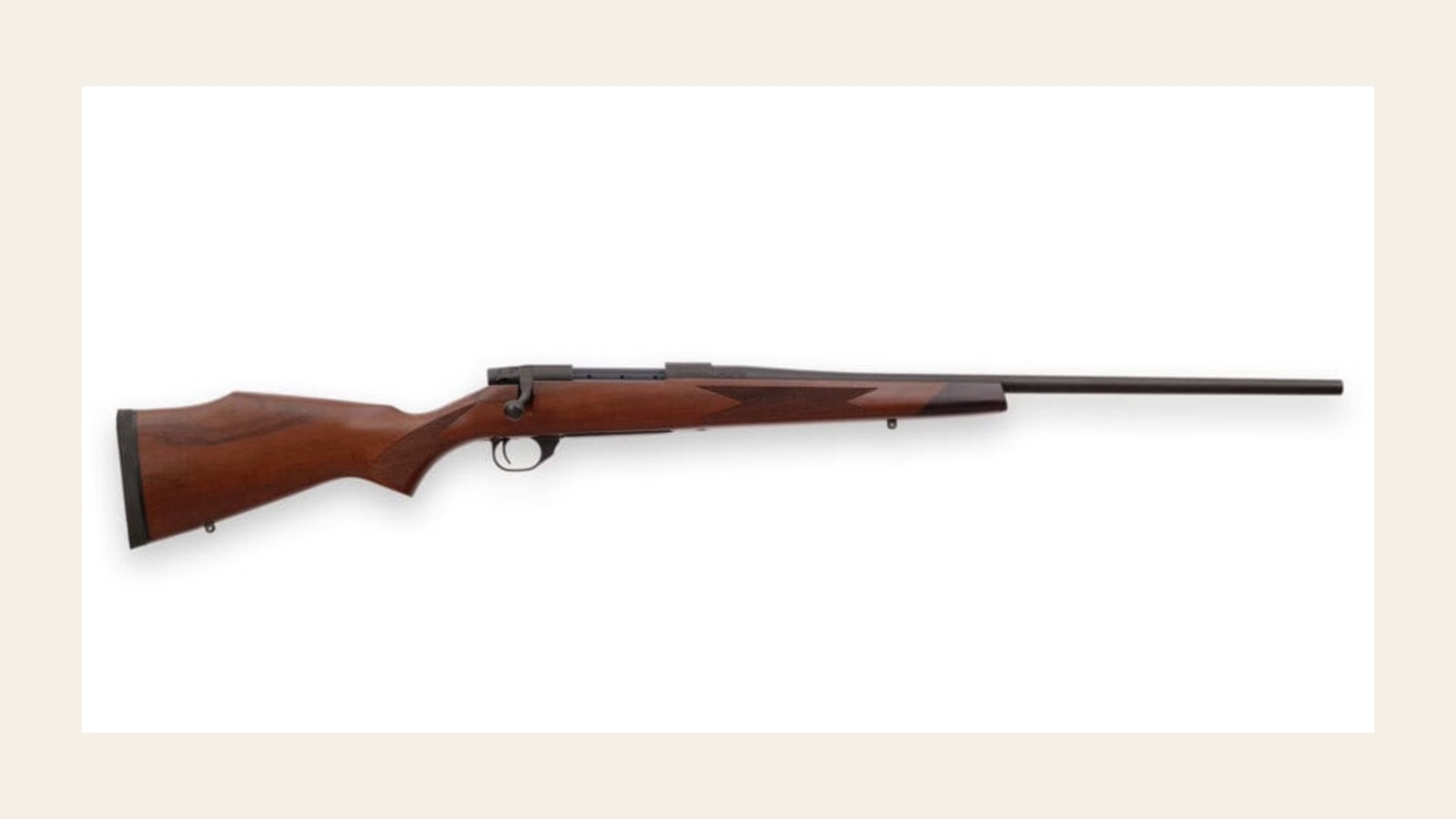
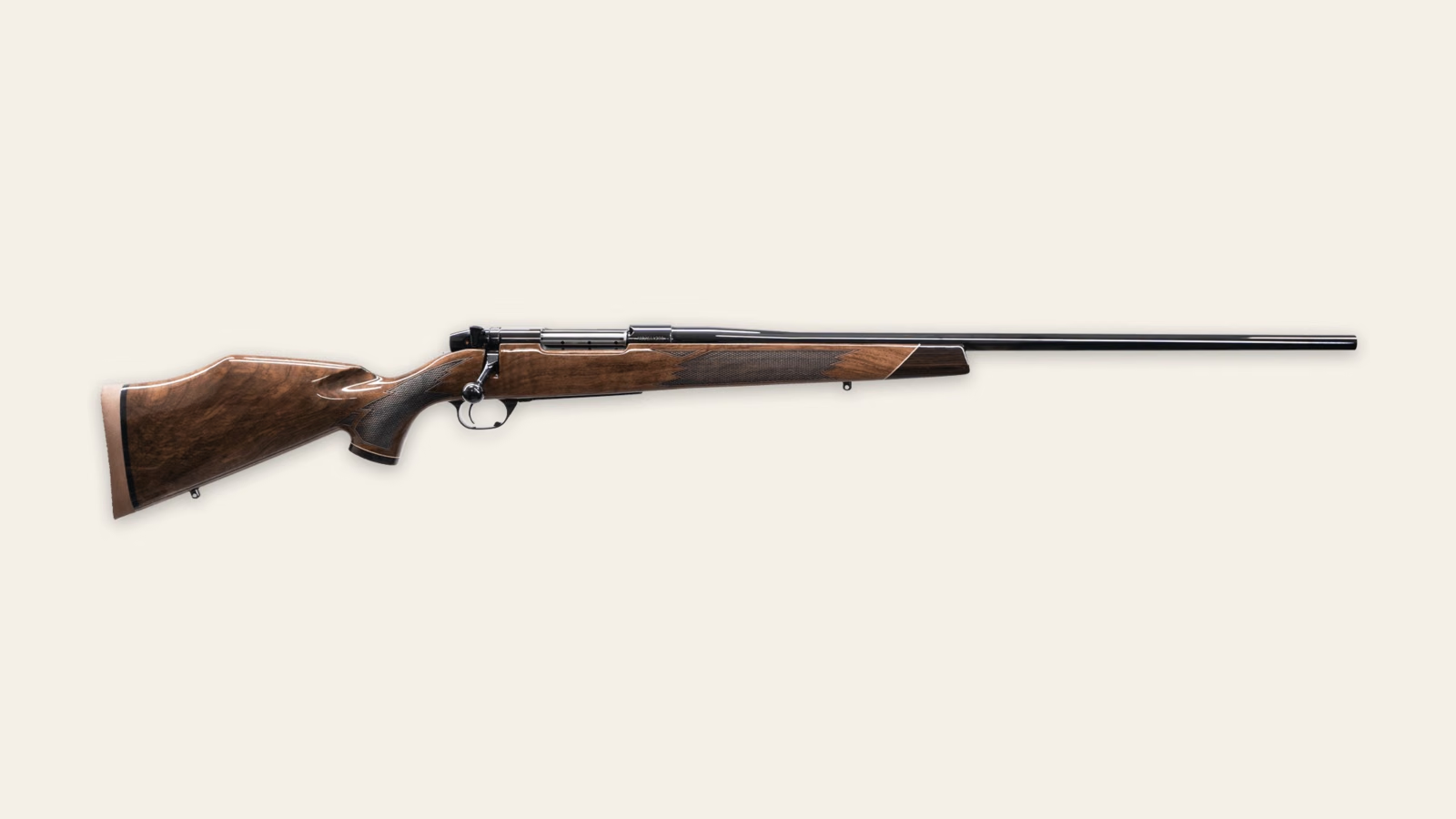
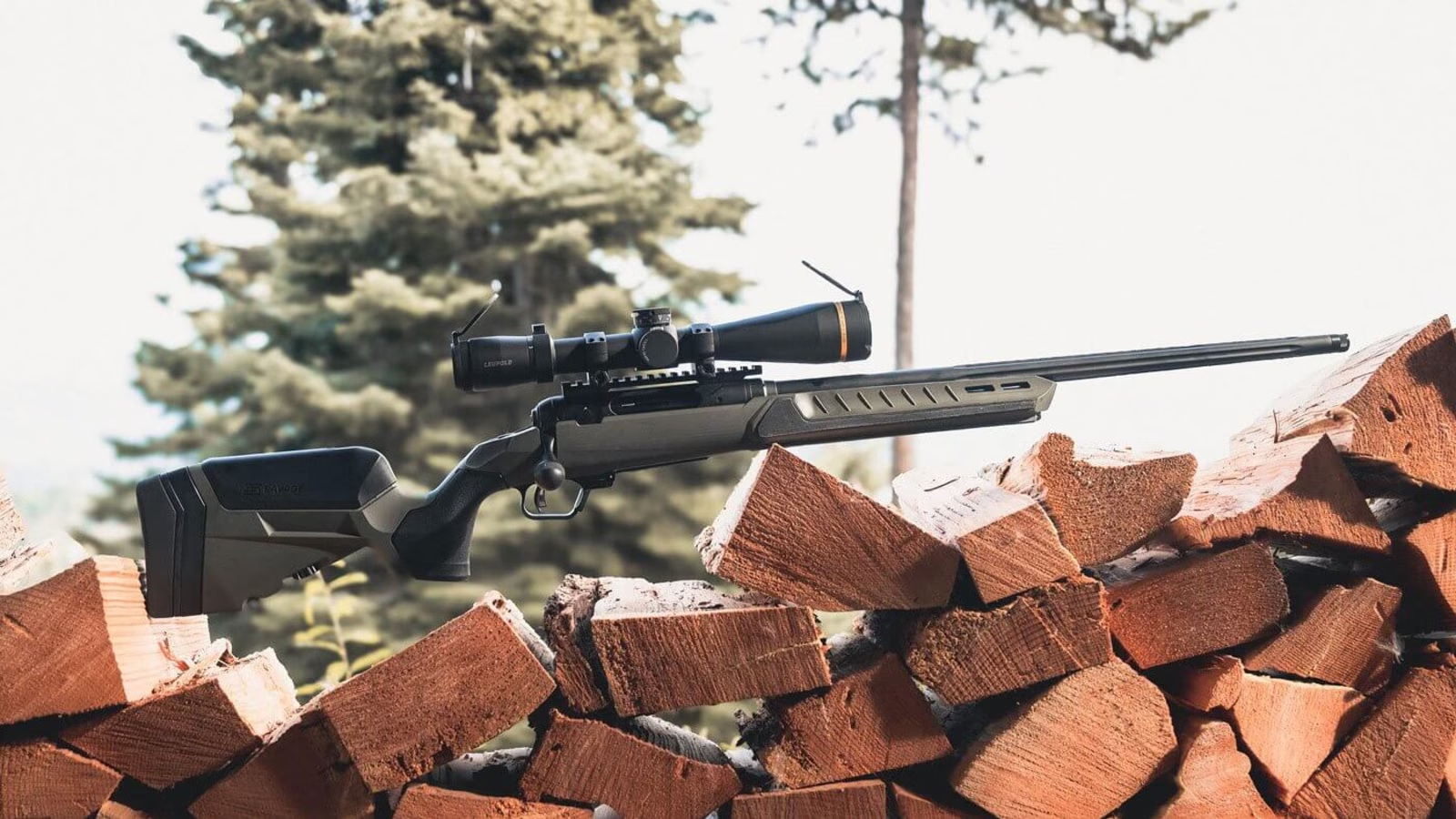
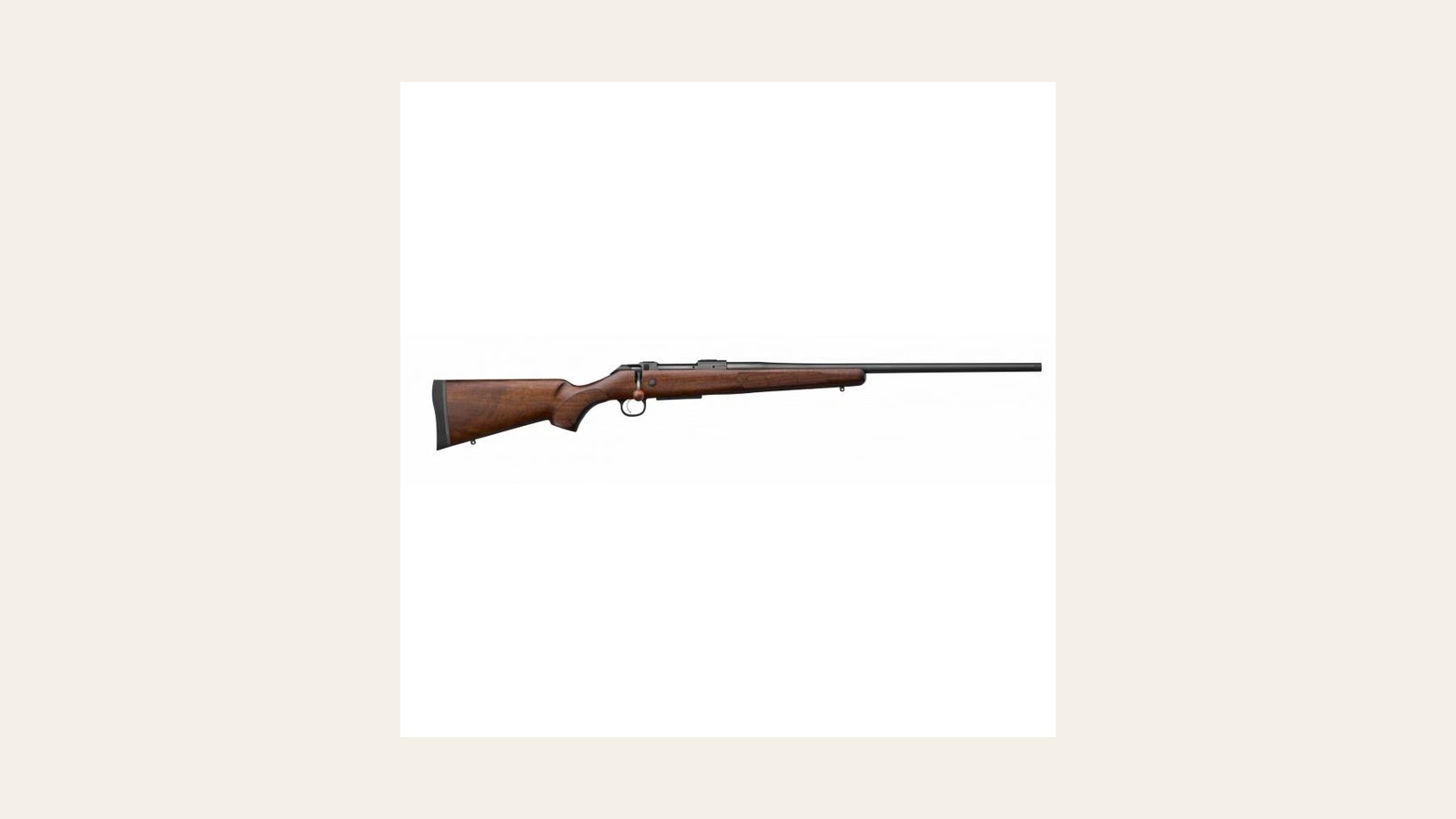
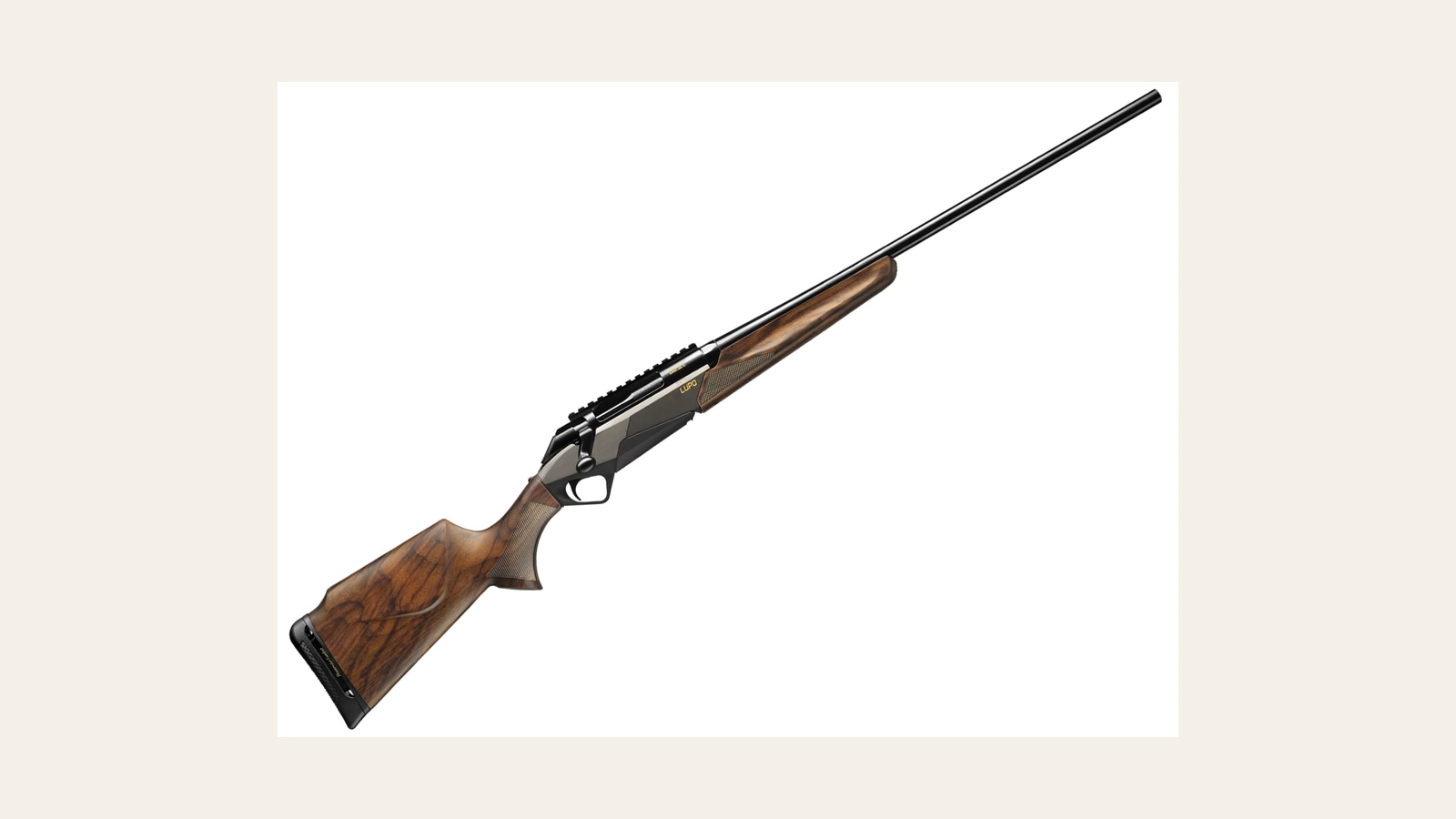
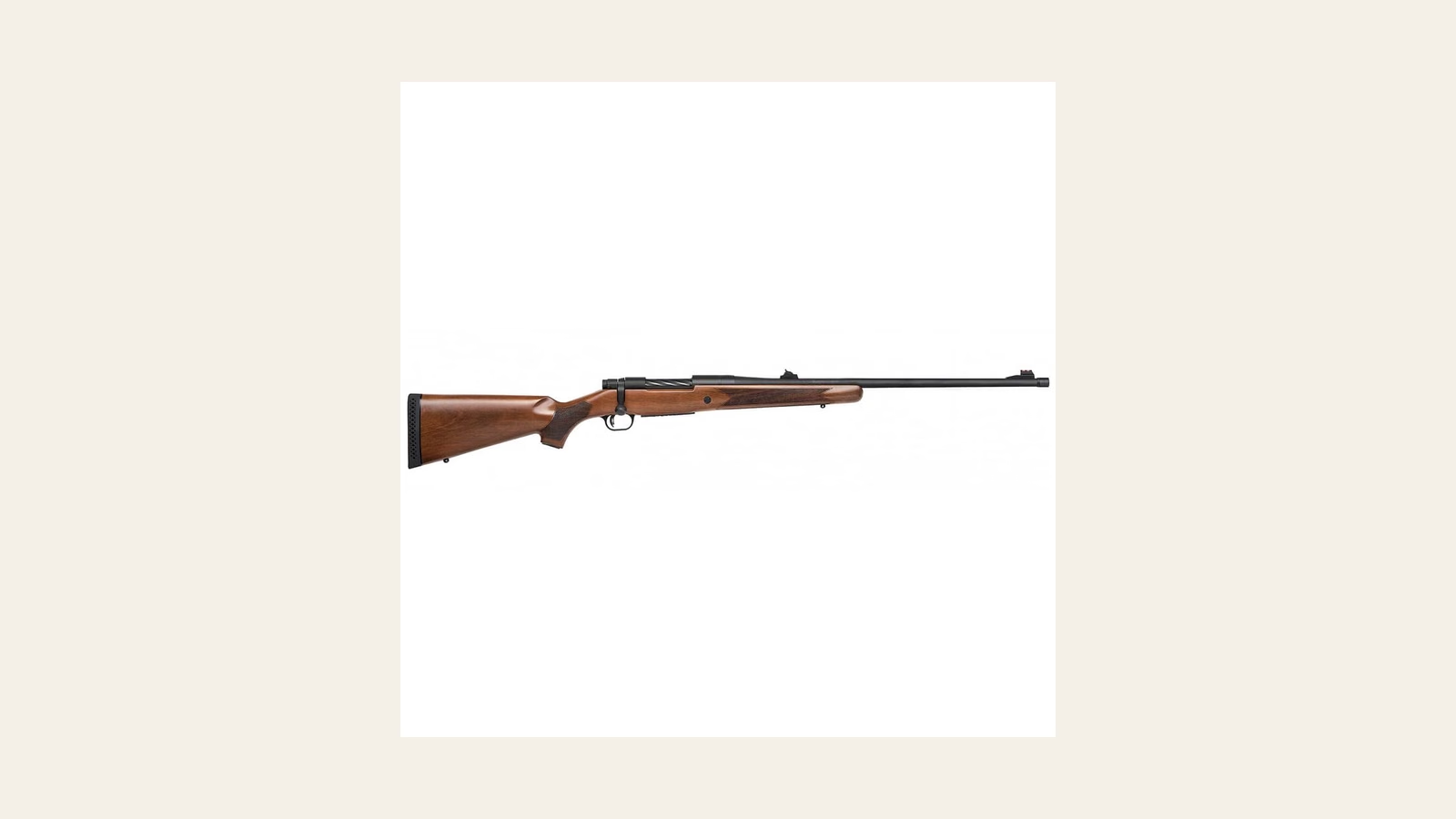
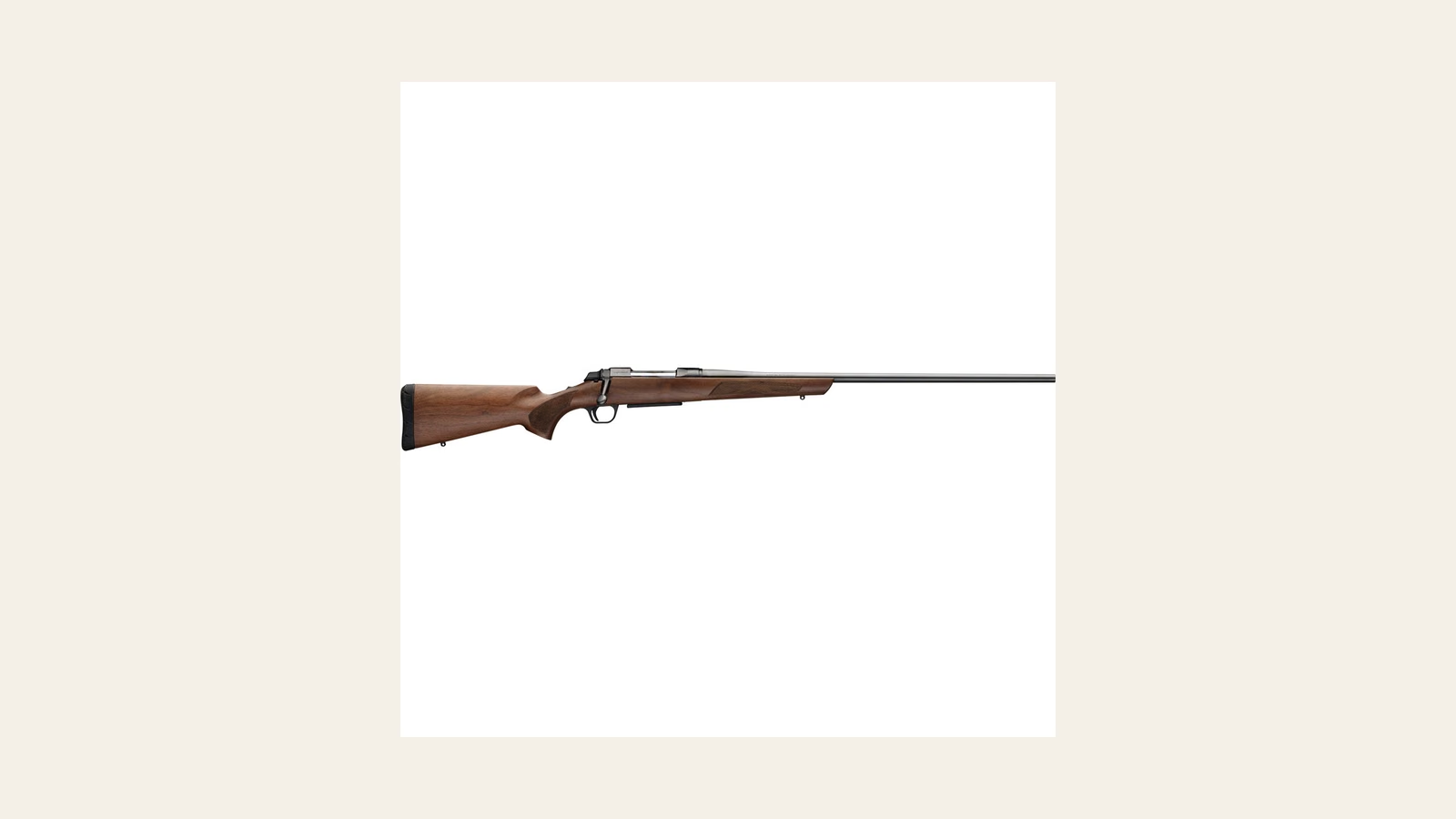
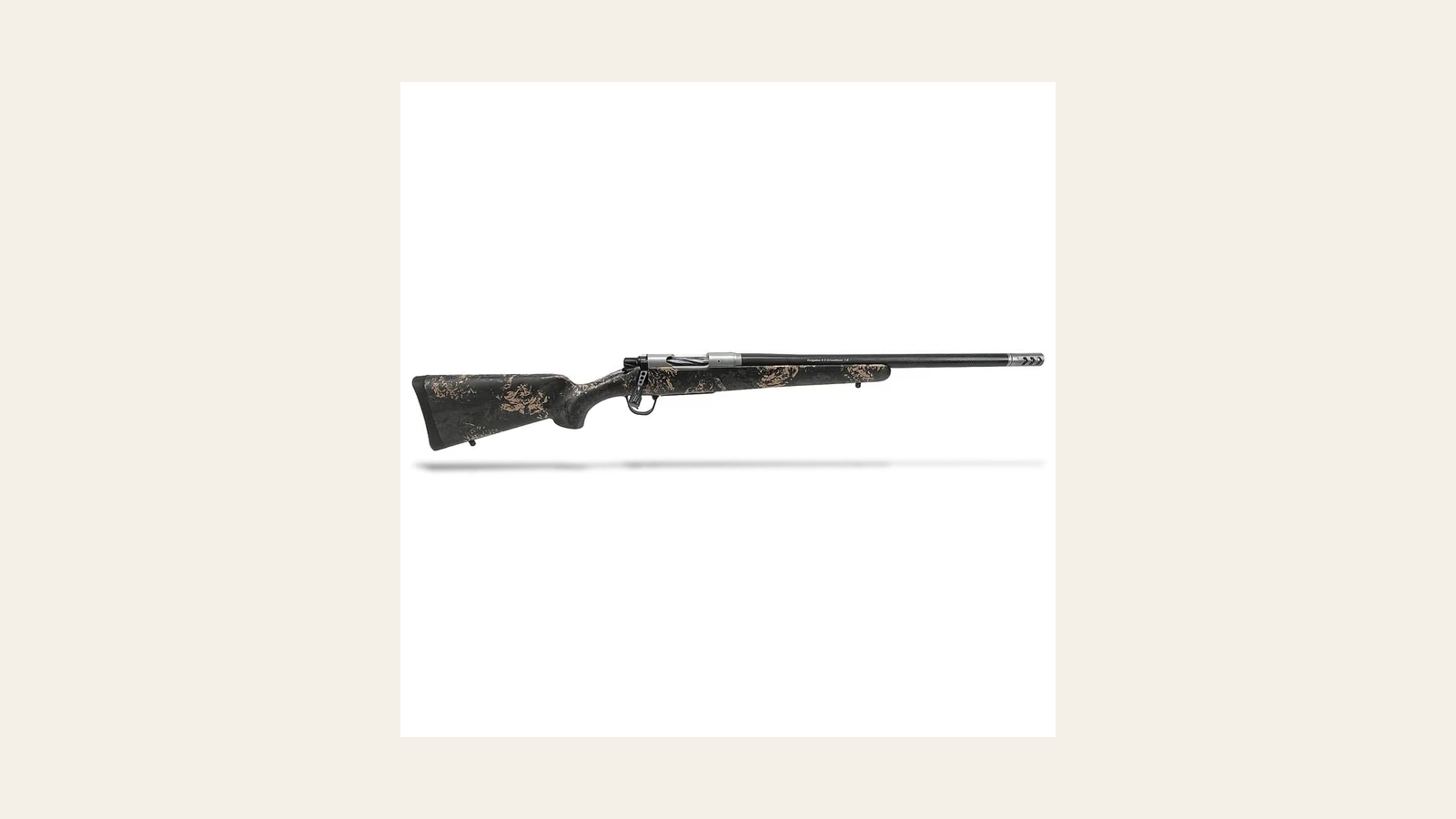
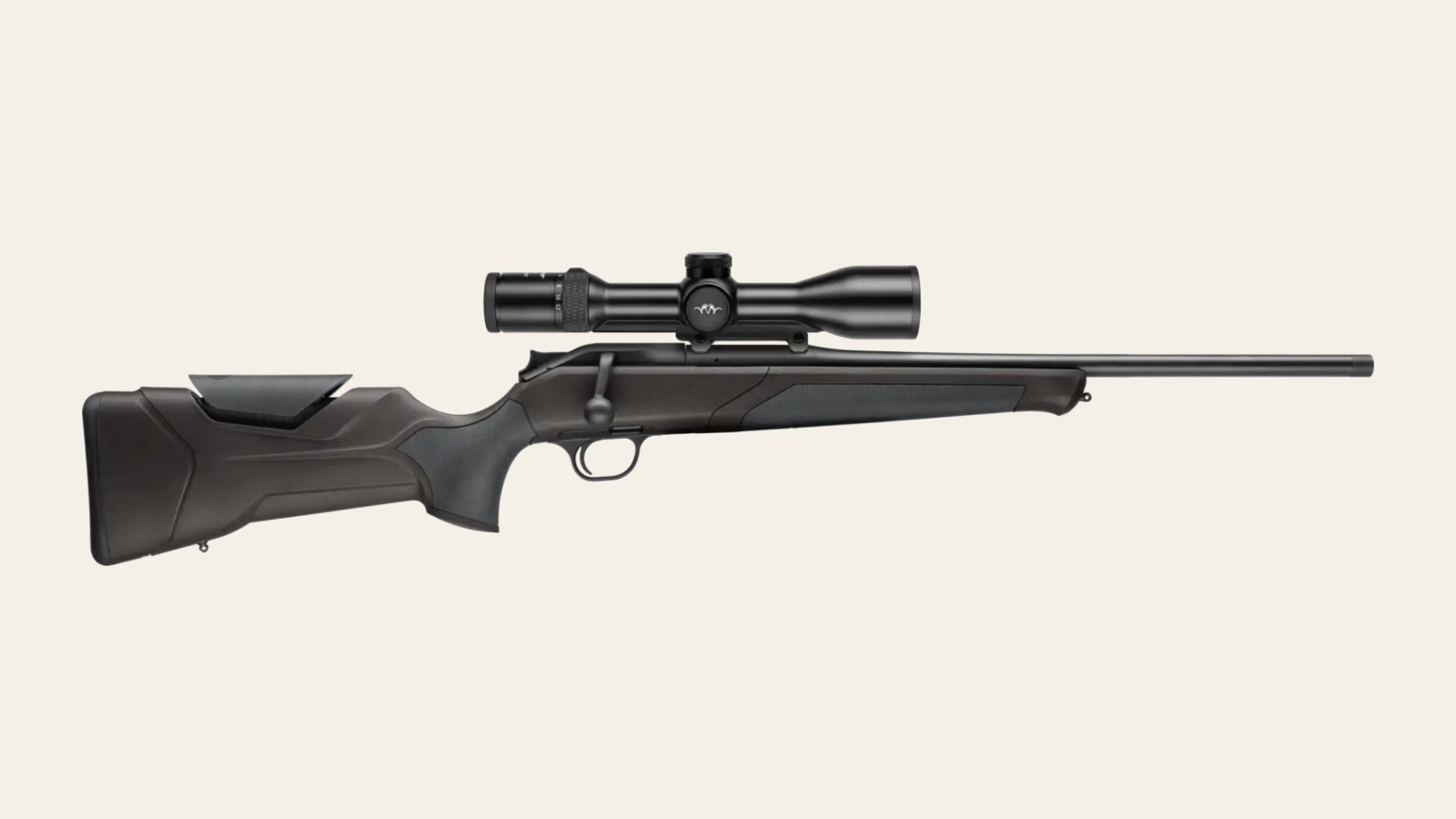
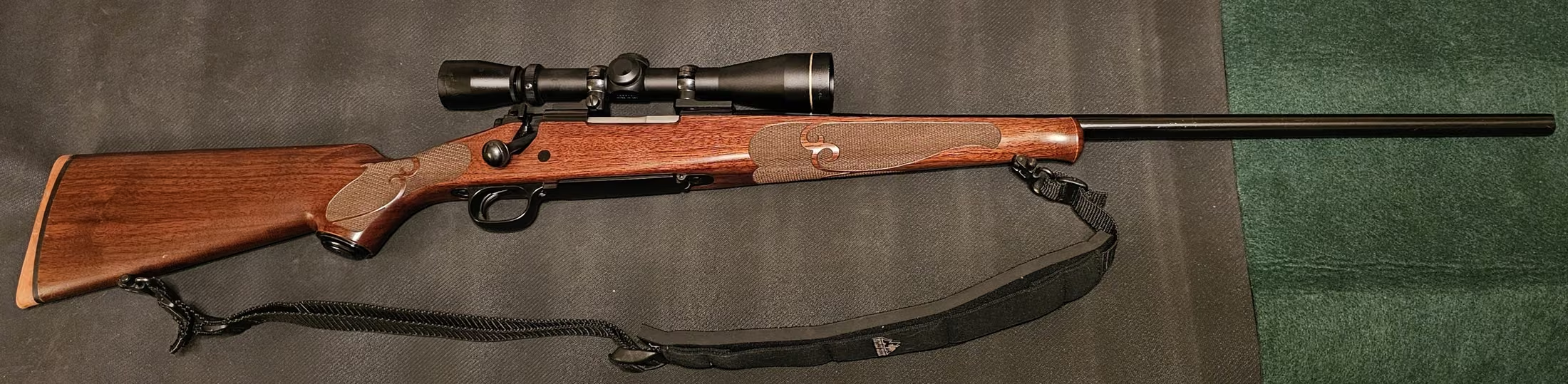
Benelli translated its reputation for recoil management and fit adjustment into a sculptural bolt action, then dressed the BE.S.T. version in AA-grade walnut.
About $2,100Current production reference; varies by edition
Action
Single-shot
Field
Heritage / specialist
Chambering
Varies by limited production run
Carry
Midweight
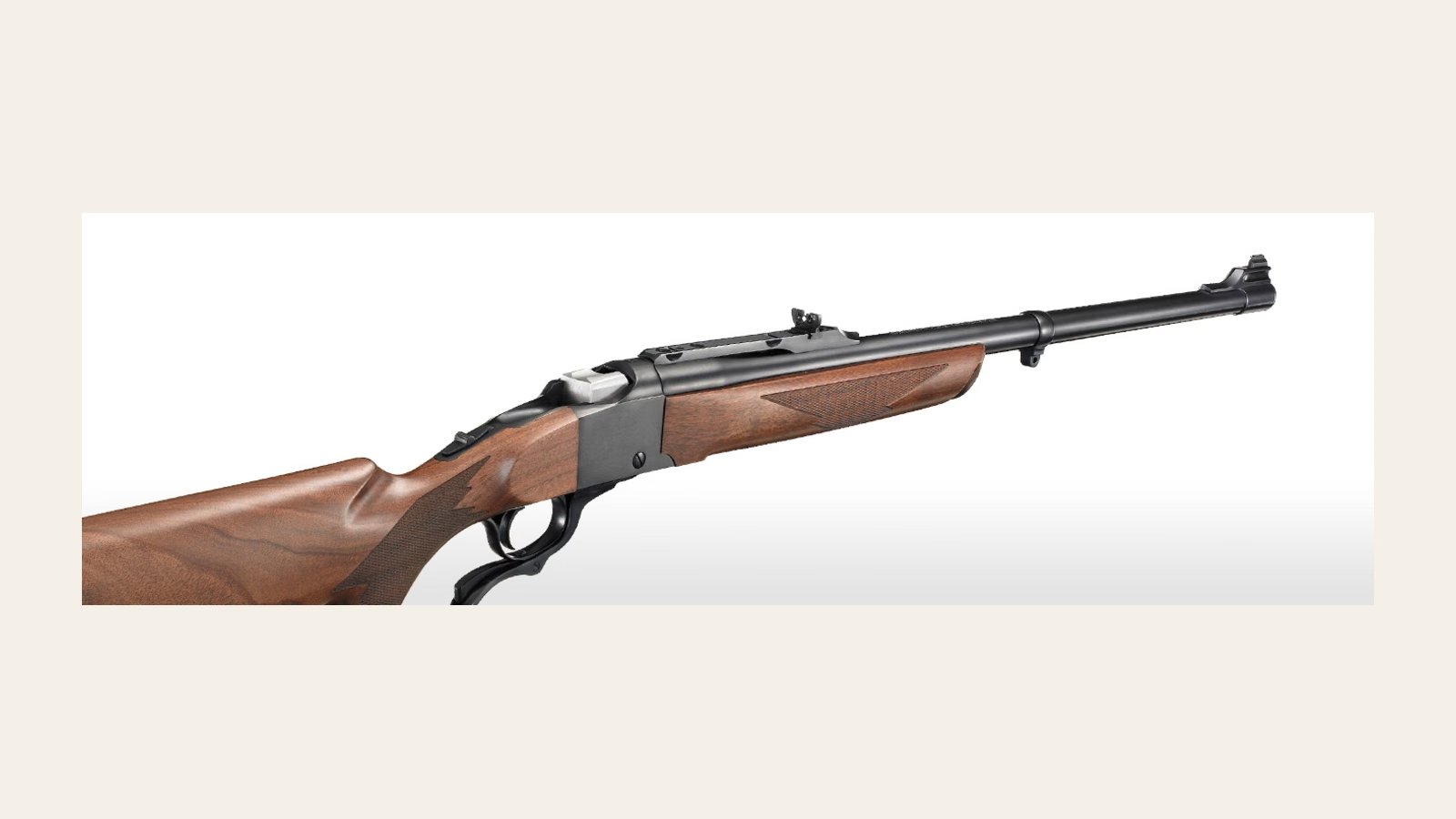
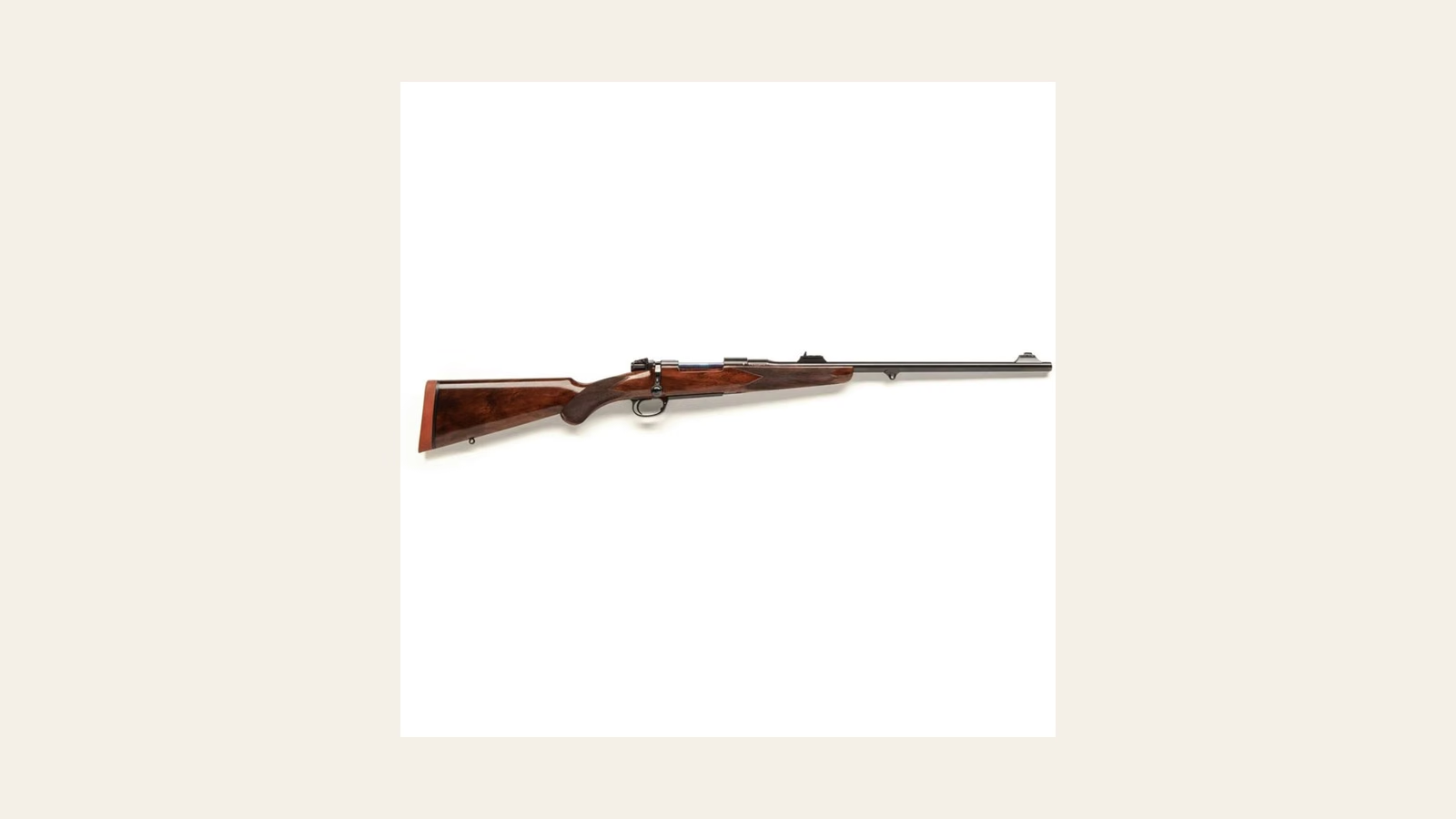
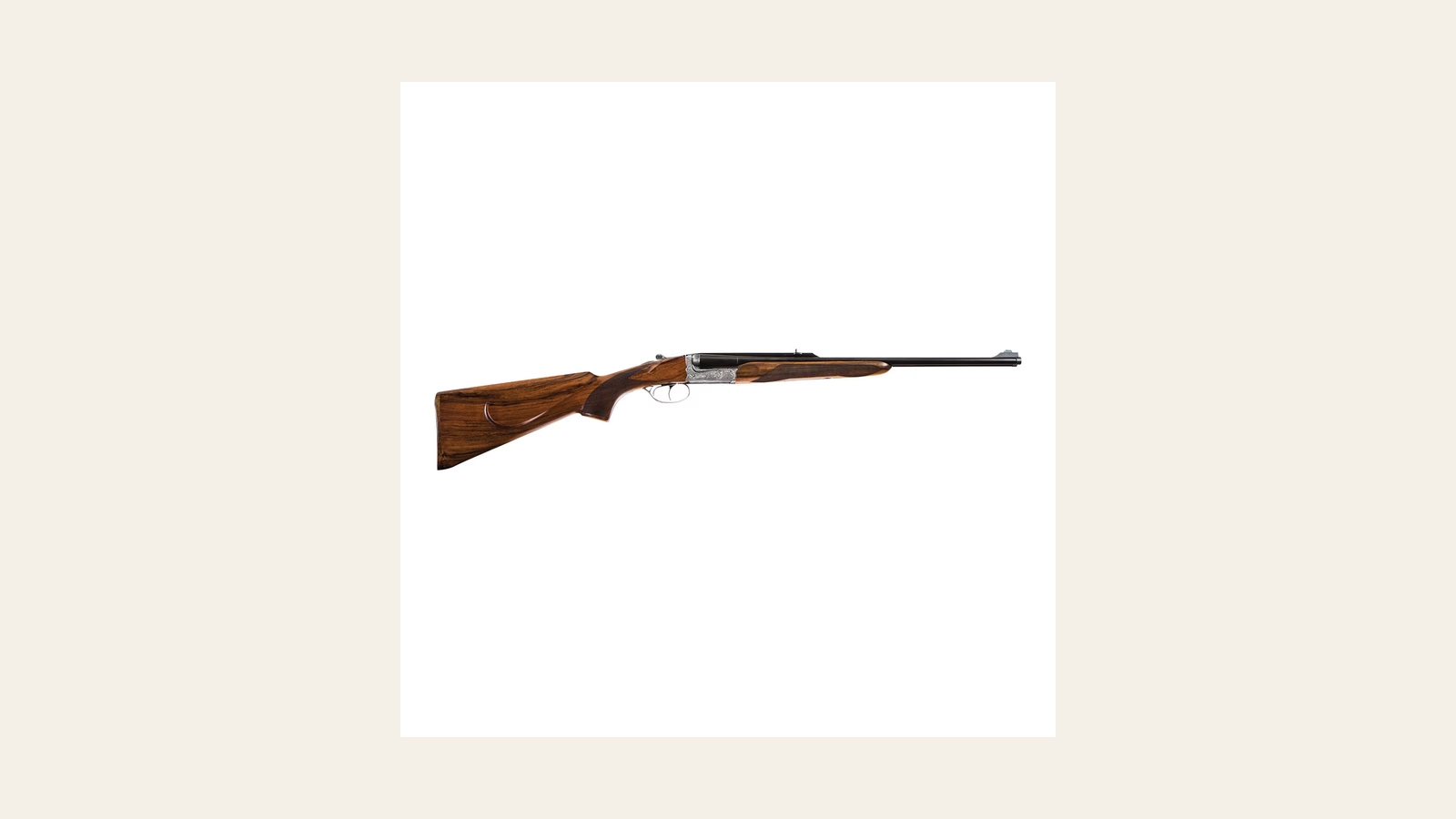
One cartridge and one falling block in a clean silhouette. Its compact action gives the barrel room while preserving the proportions of a classic stalking rifle.
Prices use published MSRP, list or cited retail references checked 2 September 2026 in their source currencies. Your complete ownership budget adds tax, optics, licensing, import, ammunition and dealer availability. The safari quotation confirms product availability, camp hire and suitability in writing.
The real selection order
Four questions. Then calibre.
01What is on the target list?
02What recoil do you shoot calmly?
03Does the rifle fit and suit your handedness?
04What is actually available at camp?
Three rifle personalities
Workhorse. Precision. Theatre.
Bolt action
Built for the field.
Reliable, familiar and balanced for long days. Calm handling earns the practical safari rifle its place.
Premium straight-pull
Precision, engineered.
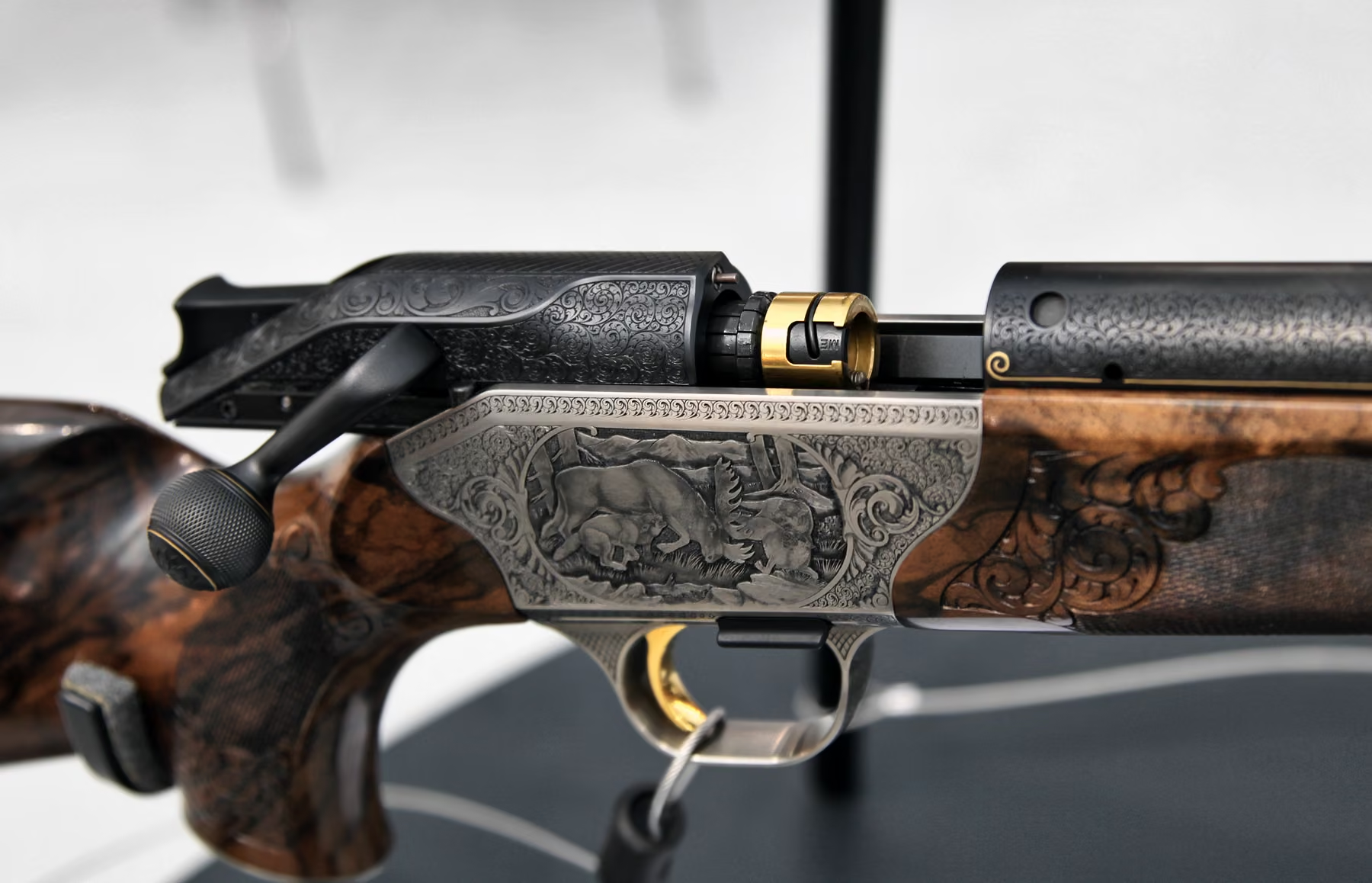
Fast, modular and beautifully made. Blaser’s 2025 European list put a base R8 at €6,086 including VAT, before optics and market differences.
Double rifle
The safari icon.
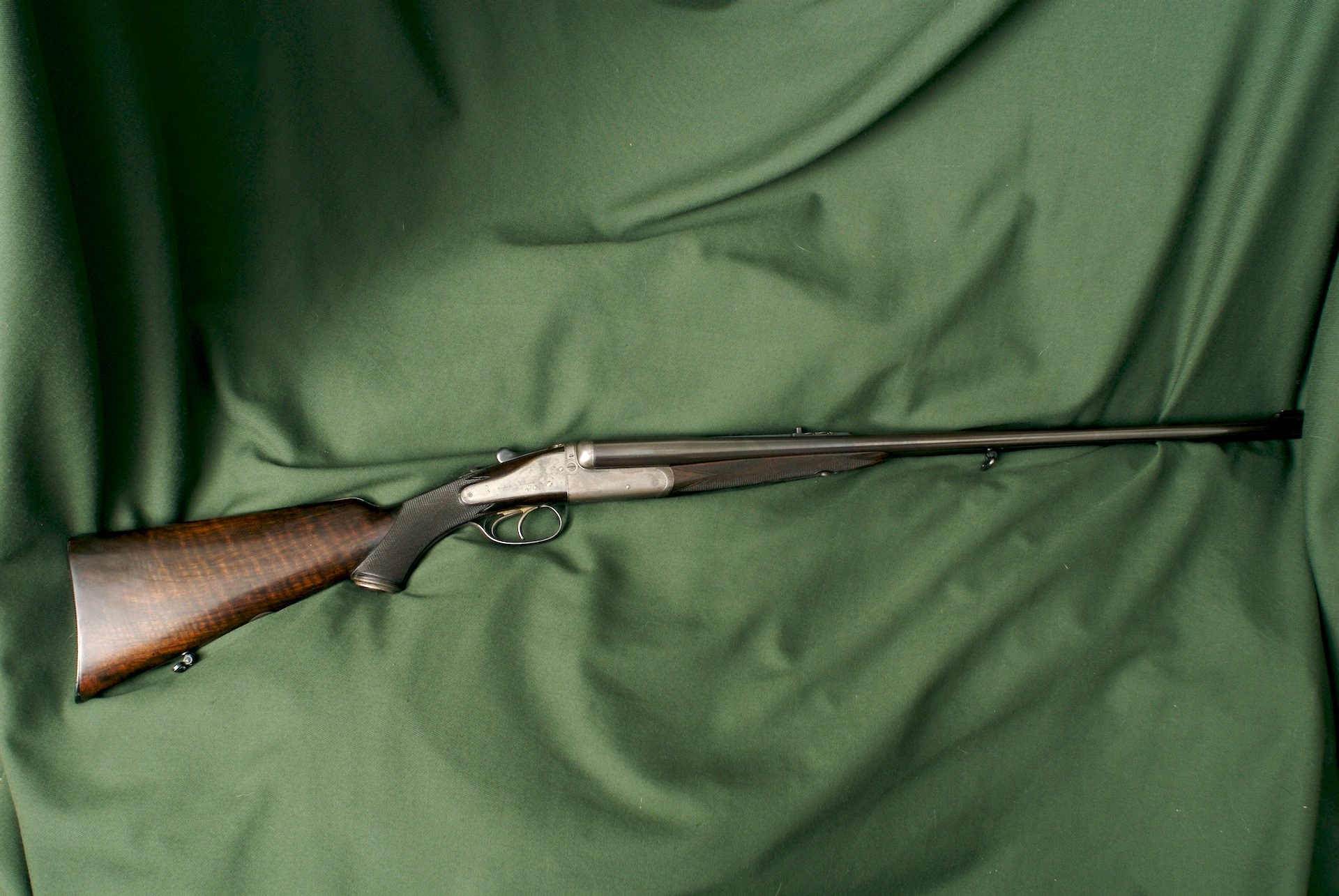
Two barrels, instant follow-up and unmistakable presence. Premium examples start around $10,000; bespoke guns rise sharply. The double rifle is safari theatre for experienced hands.
Other hunting-gun types
Useful elsewhere. More specialised here.
Single-shot / falling block$1,500–$8,000+
Elegant and deliberate. Loved by traditionalists; uncommon as a camp rental.
Lever action$900–$2,500
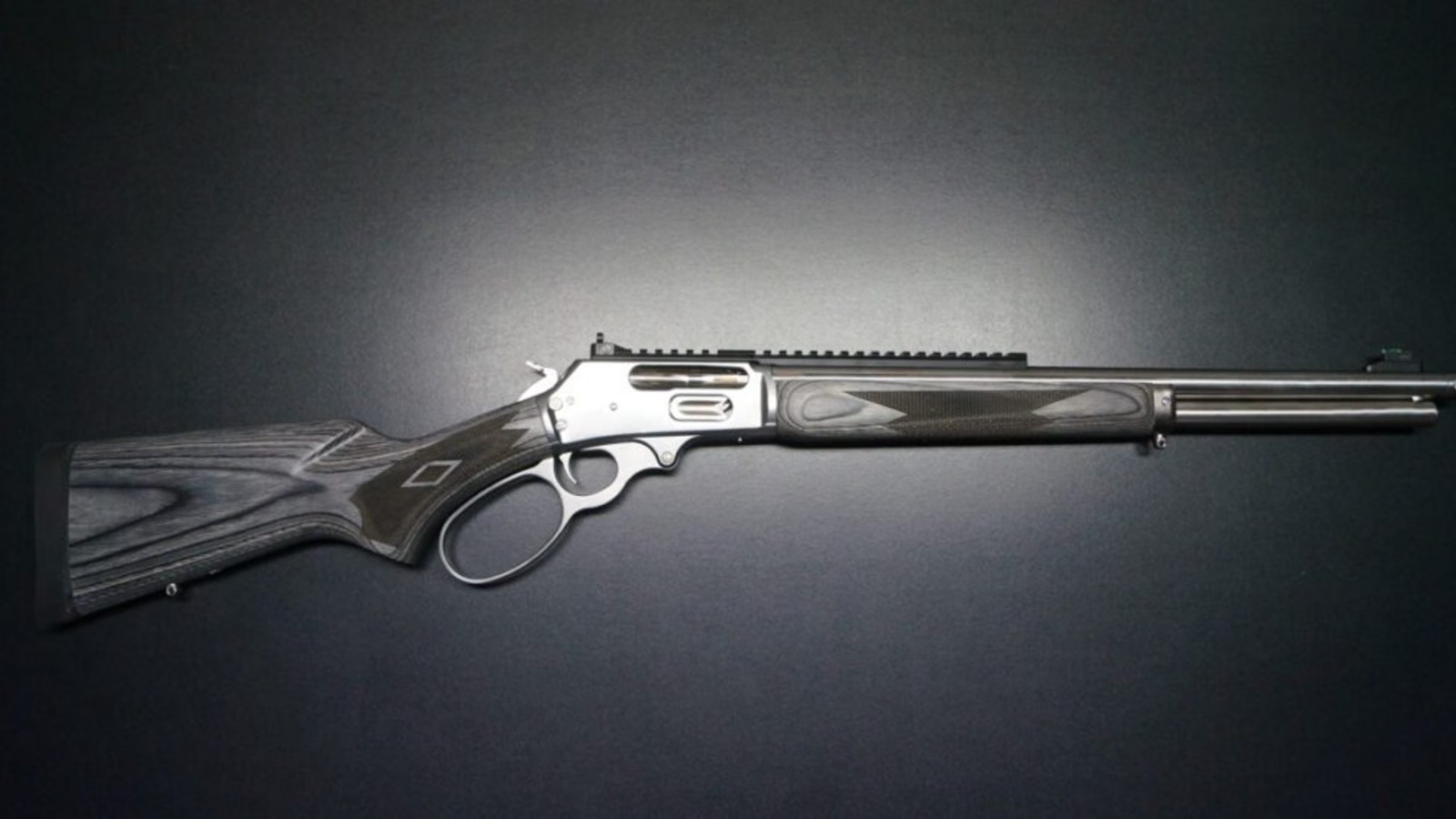
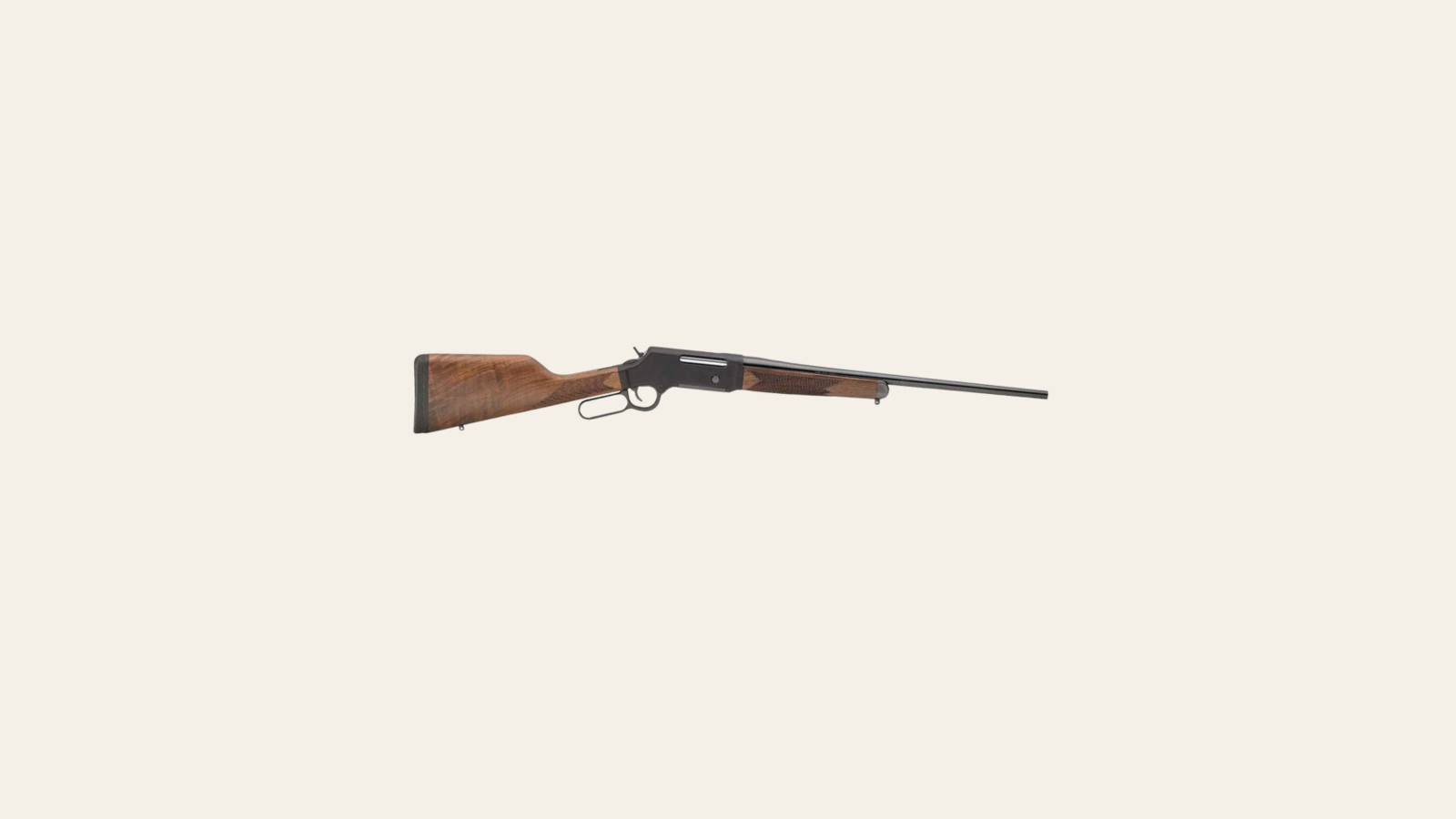
Compact and charismatic. Better suited to particular cartridges and hunting styles than a general safari brief.
Shotgun$600–$5,000+
The correct tool for wingshooting, built around birds, movement and instinctive handling.
Combination gun$3,000–$10,000+
One rifled barrel plus one shotgun barrel. A European mixed-hunt specialist, rarely a safari rental.
Semi-automatic hunting rifleRoute-dependent
A specialised jurisdiction-dependent choice whose route is shaped by firearm law, airline policy and transit approval.
Choose before the quote
Hire or bring your own.
01
Hire at camp
Less transit paperwork. We confirm the rifle class, fit, handedness, scope, ammunition allocation and fee in writing.
Useful for planning. Your Hunter Troopers quote controls.
Standard class$25–$50
per rifle, per day
Heavy / premium$60–$100
per rifle, per day
Other structures seen$120–$400
per week or safari
AmmunitionPer round
itemised to the confirmed calibre
Published outfitter benchmarks show the planning range across rifle, optics, calibre and duration. Your Hunter Troopers quotation confirms the exact camp rifle and price.
Pricing was checked 2 September 2026 against manufacturer pages, current price lists and established hunting publications. Every rifle now has a dedicated page linking its specification source and product-photography source. Rental references: Rondekop Safaris, Savanna Hunting Safaris, Langkloof Safaris, Sun Africa Safaris and RW Safaris.
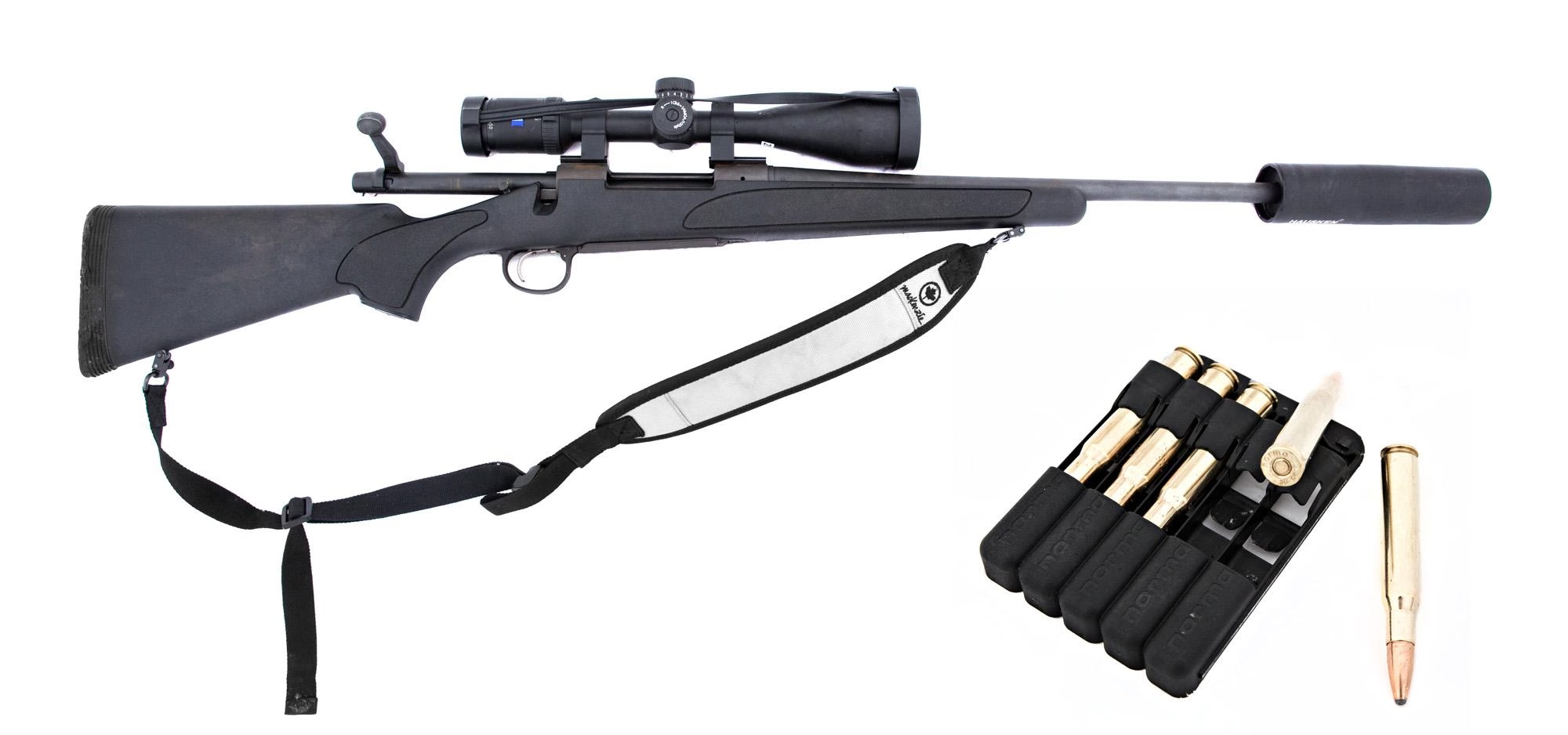
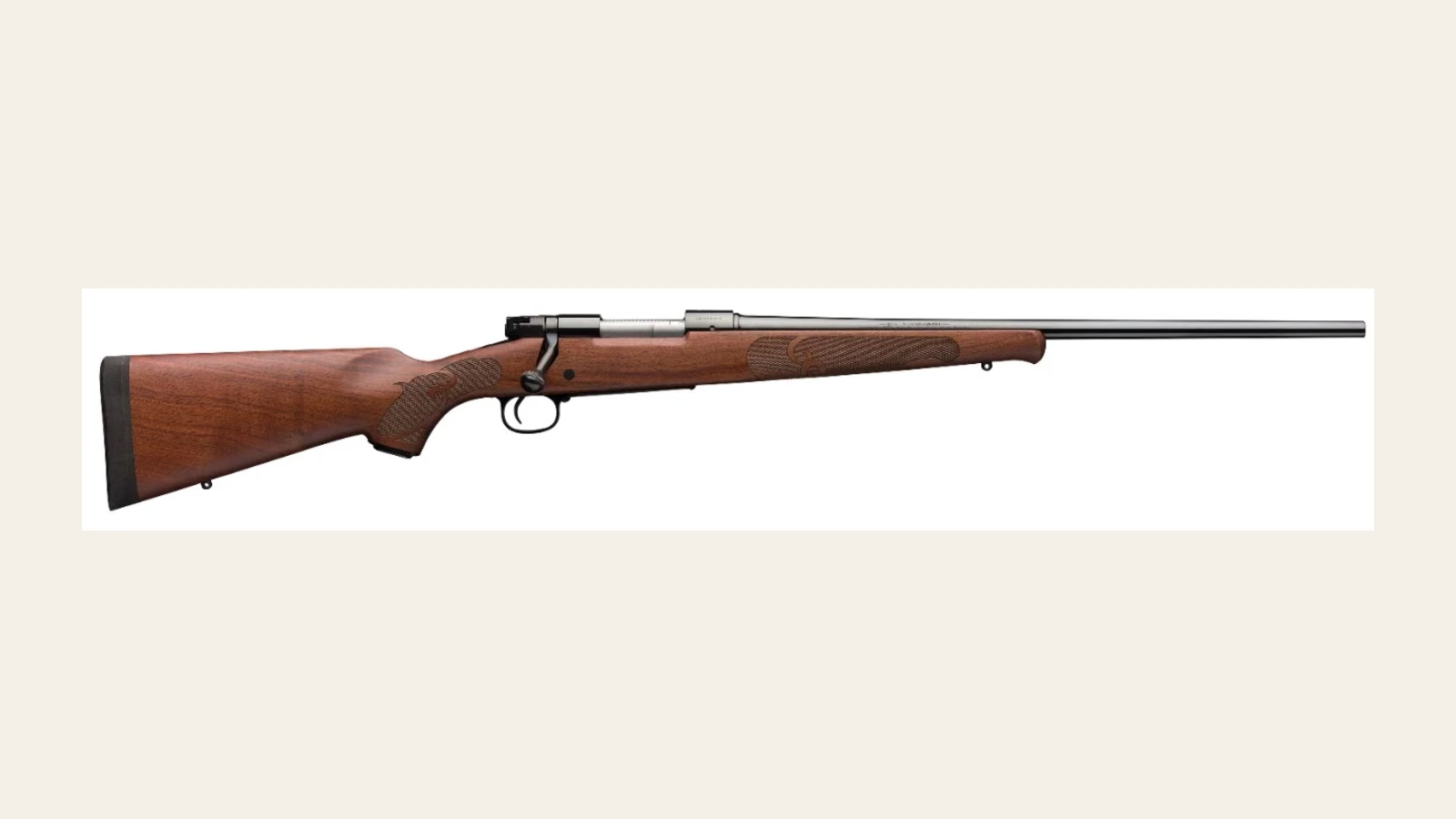
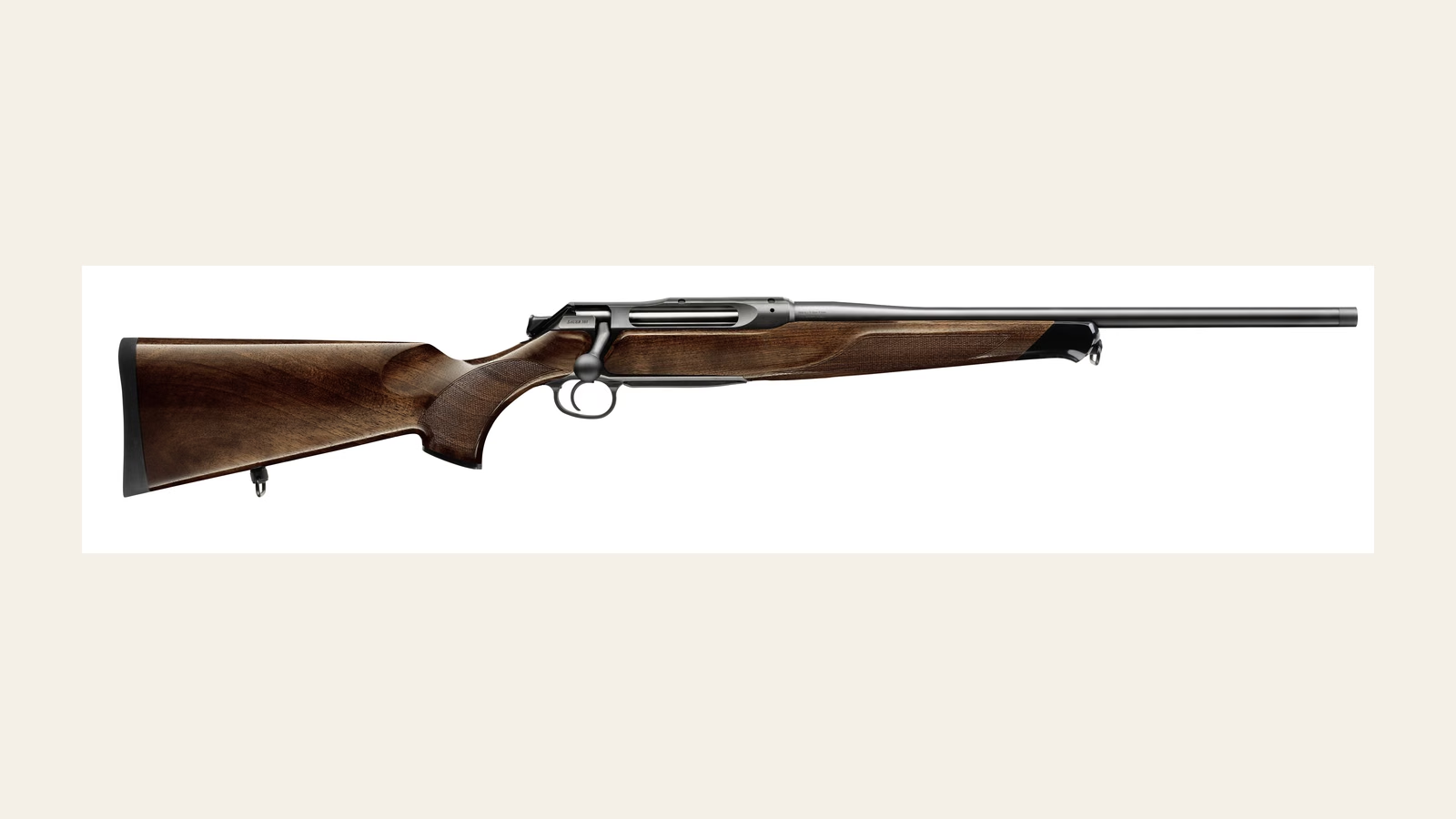
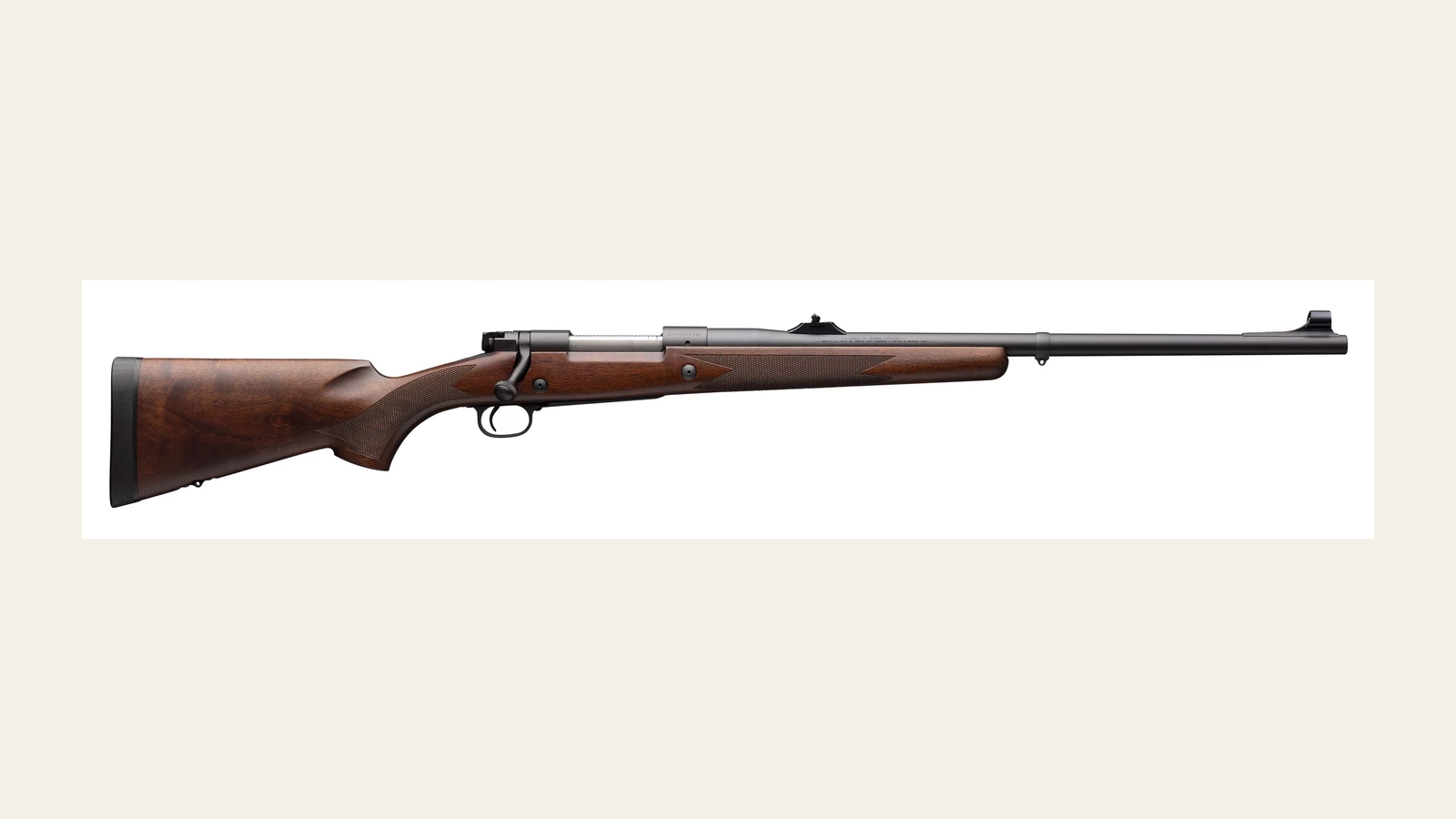
Hero image: Remington Model 700 by Ragnhild Kjeldsen, CC BY-SA 4.0. Other images: Winchester Model 70 by Efeesh, CC BY 4.0; Blaser R8 rifles by Vitaly V. Kuzmin, CC BY-SA 4.0; Holland & Holland .375 H&H double rifle by Miso Beno, CC BY-SA 3.0, cropped and colour-treated. Catalogue product images are locally compressed AVIF files; their original sources are credited on each rifle page. Each rifle page opens the matching model video.
Before you fly
Rifle questions.
The written quote confirms the equipment, ammunition and paperwork.
Can I hire a rifle for my Botswana safari?
Camp rifle hire can be requested by booked Hunter Troopers guests. Exact make, calibre, scope, ammunition allocation and fee are confirmed in the written quotation.
How much does safari rifle rental cost?
Published 2026 African outfitter rates commonly place standard rifle hire around USD 25–50 per day, with heavy or premium classes around USD 60–100 per day. Some operators use a USD 120–400 weekly or safari fee. Hunter Troopers converts these market benchmarks into a written camp-hire quote with ammunition itemised.
How much does a hunting rifle cost to buy?
Indicative international rifle retail bands run from roughly USD 600–1,800 for practical bolt actions, USD 1,100–2,500 for many magnum set-ups and USD 1,500–3,500 or more for safari-class bolt actions. Premium straight-pull and double rifles cost substantially more. A complete ownership budget adds local licensing, tax, optics, import and dealer availability.
Which rifle calibre should I request?
Start with the rifle you shoot comfortably. Discuss the target list, recoil tolerance, rifle fit, handedness, optics and current camp inventory with the professional hunter before the quotation is finalised.
Which safari rifle has the strongest character?
The .375 H&H bolt action is the classic African icon. A Blaser R8 brings modern engineering; a double rifle brings theatre. In the field, the rifle you control calmly always carries more authority than one chosen for appearance.
How is ammunition priced?
The written quotation itemises rifle hire and ammunition to match the confirmed rifle, target list and current availability.
Can I bring my own rifle into Botswana?
Yes. The travel plan aligns Botswana’s temporary firearm and ammunition permit with the airline and transit-country rules on your route.
When should I start the Botswana firearm permit?
Botswana’s government guidance says to start at least two weeks before arrival and lists a 14-working-day service time. Begin earlier when airline or transit permits are also required.